Beekeeping Organization
NW Iowa Beekeepers Association welcomes new membership. Sharing knowledge, experince and teach members insights into raising healthy honey bees that thrive in our northern climate.
PLEASE JOIN OUR BEE CLUB

NW Iowa Beekeepers Association membership is looking forward to share, learn and gain insights into raising healthy honey bees that thrive in our northern climate. Where members help each other advance beekeeping skills!
Raising Healthy Bees that Thrive – “Dead Bees Make No Honey”
Upcoming Events
Upcoming Beekeeping ClassesBee Smart Zoom meeting – Thursday, September 24, 7:30 pm Understanding the Condensing Hive Concept for Overwintering with Peggy DeSanto
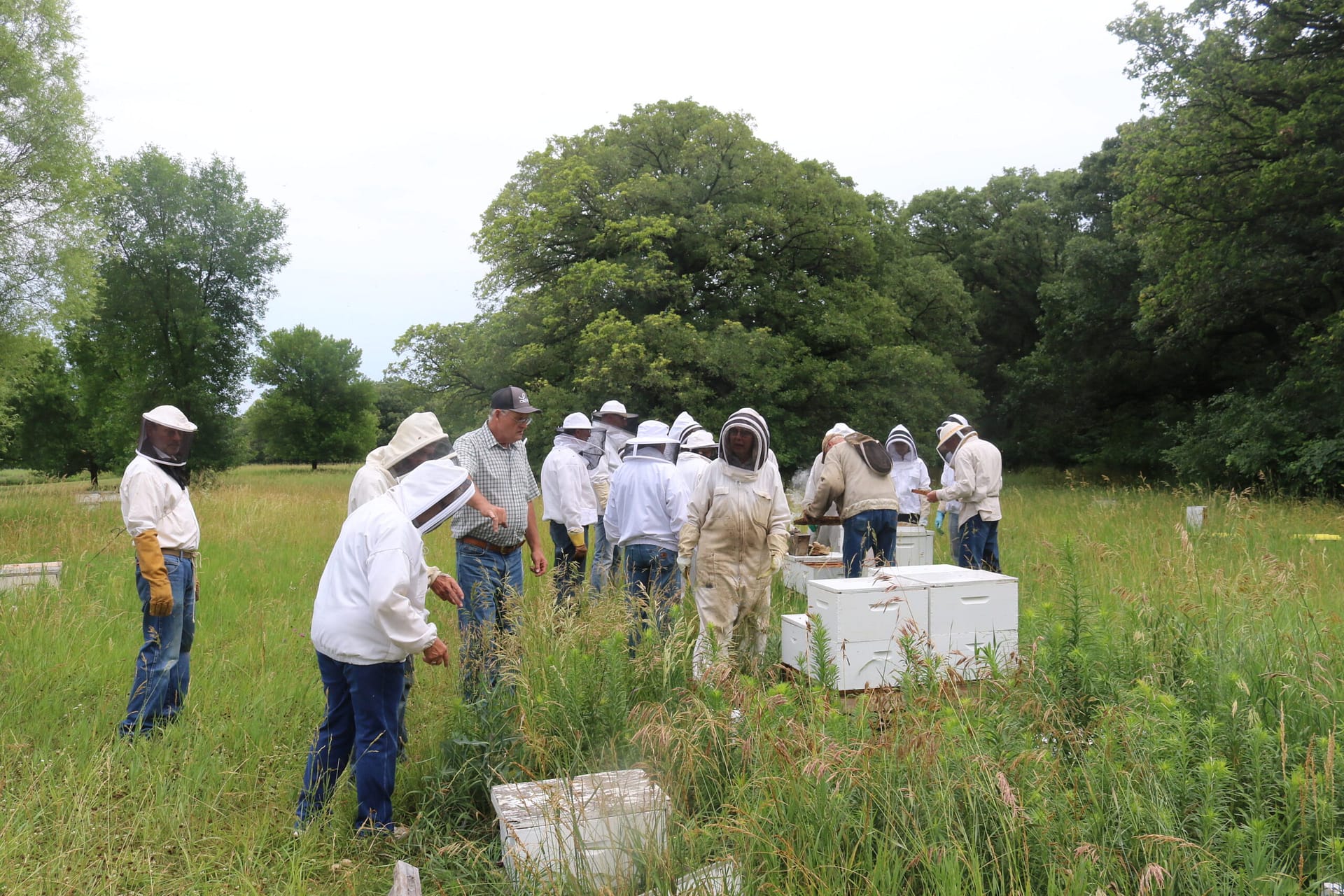
Outdoor Classroom – Sunday, September 27, 2 pm. Teaching Apiary – Iowa Lakeside Laboratory, Milford, IA Part 2 – Preparing Colonies to Survive Winter– Hive ventilation and insulation, creating honey domes in hives, late season feeding, and late season Varroa mite control
Annual meeting location will be at the Dickinson Co. Expo center 2 pm. Spirit Lake, Iowa Dickinson County (ISU) Extension and Outreach Office, 1600 15th Street, Spirit Lake, IA.
2027 membership fees due July 1st
Mastering the Science and Art of Sustainable Beekeeping – Advanced Techniques for Mastering Beekeeping
Invite your fellow beekeepers to join the association and to keep on learning alongside us. An informed beekeeper benefits both their colonies and their fellow beekeeper!
Level 4 – Mentor Training – Sharing the best practices of Sustainable Beekeeping with novice beekeepers
Level 5 – Capstone – Beekeeper Education Outline
● Manage colonies for 75% or better winter survival rates.
● Follow IPM principles and biosecurity protocols to maintain bees in good health and free from preventable illnesses.
● Select breeder queens based on selection criteria and trait testing to continually improve stock quality.
● Maintain a closed apiary – only importing bees when new genetics is needed.
● Anticipate and prepare for colony losses.
● Provide excess bees to fellow beekeepers.
Past Level 1 Register for class Date was January 31st 2026 – Members Learned the basics of keeping healthy bees in cold weather places by experienced local beekeeper educators. Introduction to Sustainable (resilient) Beekeeping – Enjoying a Successful First Year of Beekeeping.